Sunday morning. I stretched my hand across wrinkled sheets on my husband’s empty side of the bed, opening one eye just enough to make out the time on his bedside clock. 5:50am. Ugh! Not exactly a slow start on my so-called day of rest. At least I wasn’t the first one awake in our house.
I flopped onto my back, air whooshing from my lungs. Another day—a different day. Yet my pulse throbbed in my ears the same way it had every other morning that week. Maybe my heart was trying to keep pace with my rushing stream of thoughts, like a frantic mother chasing her runaway toddler. I switched on the bedside lamp, its pale, yellow light filling my corner of the room, and covered my eyes. LORD, I’m so tired.
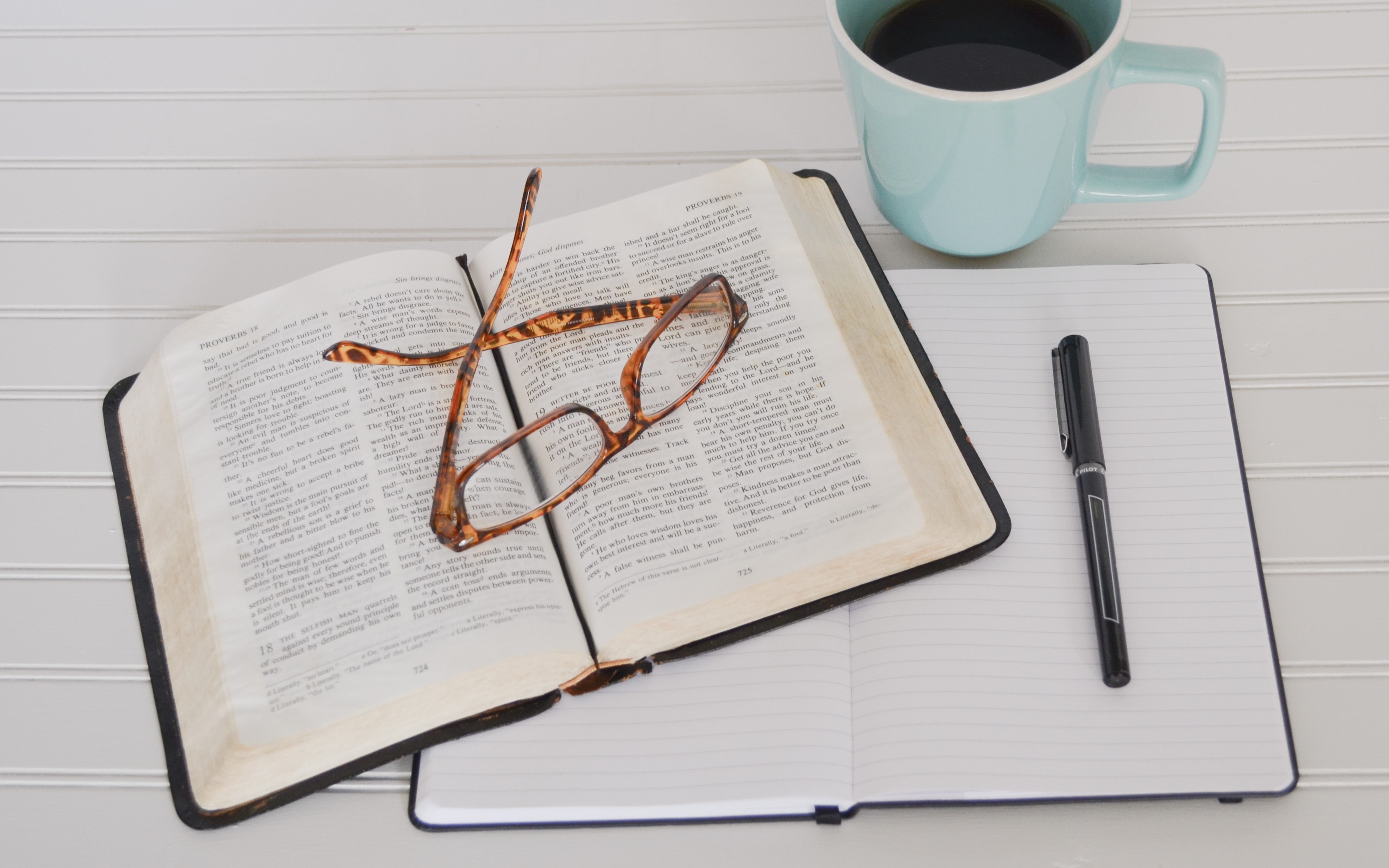
For a while I lingered there, wavering, longing to pull the covers over my head and sink back into a dreamless slumber. Yet my soul was parched and panting, desperate for fresh water. I pulled two extra pillows from the floor and sat upright, propping them behind me, then gathered my bible, journal and pens. Closing my eyes, I inhaled slowly, praying, Thank You, LORD. A new day. Eyes open, I turned to a fresh page in my journal and began to write.
‘Sunday 24th July, 2022.
6am.
LORD, I put my hope in You. You are my strength and my song.’ Those words were sincere—an expression of faith. But on that morning, none of them felt real. ‘Father, my heart is downcast,’ I wrote. ‘My body and emotions are weary.’ I paused and sighed, my shoulders drooping. ‘I look to You—my help and my strength—and lay before you all my struggles . . .’
Out through my pen and onto the page the words flowed, psalm-like—an inky, itemised confession of every battle and every negative emotion that weighed so heavily on my heart. Three months earlier, my husband and I had begun a season of intensive training—a fast-paced, schedule-cramming blend of paid work, online study, manuscript writing and course creation, all while preparing our family for a massive interstate move. As lovers of slow time and simplicity, we found the pace exhausting.
‘LORD, I’m not sure I can keep doing this.’
I pressed my lips together in a grim line as I stared at the words—so confronting, but true. My endurance and hope were waning—fast.
Busy seasons in our past had taught us that working non-stop was not sustainable. Yet here we were, doing everything we knew we shouldn’t—spending long hours, late hours glued to our computer screens, hijacking family mealtimes by ‘talking shop’, and prioritising productivity over time with friends. And under the surface simmered all the unanswered questions about our upcoming move, adding further to the weight of our load.
The cracks were starting to show. Special events I’d normally enjoy had become ‘disruptions’ to my task list. I felt an alarming disconnection from our children—and at times even my husband. Some nights I lay in the darkness, my whirring mind, ringing ears and aching head all screaming, ‘Stop!’ And the breathlessness I’d battled during our last major move was rearing its awful head again.
We had reached the halfway mark in our online course, so the pace would slow in three more months. I was looking forward to that. But right now, my view of the finish line was obscured by so many hurdles, those three months looked more like three years.
This was not how we wanted to live. We knew life was better with balance and breathing space. And yet . . . conviction rose in my spirit. ‘And yet I know You’ve called me to it.’ That one detail made all the difference. Yes, my body and soul were groaning, yearning for a return to easier days. But God was in this demanding season—we knew He was—which meant He must have a purpose in it and a way for us to walk through it. Didn’t He always?
Even while we loathed the busyness, our spirits were soaring in gratitude for all our Father was doing. These were exciting times—times of growth and equipping, ready to launch into new things. I nodded as I wrote, ‘God, I belong to You. My life is in Your hands. You are my God and I know You are good. Please fill me with Your Spirit and renew my strength in Your presence.’
I felt my heart begin to settle—as it always did when I surrendered. My gaze shifted to the previous page in my journal, where the day before I’d copied a contemporary translation of Psalm 23:6.
‘So why would I fear the future?
Only goodness and tender love pursue me all the days of my life.
Then afterward, when my life is through, I’ll return to your glorious presence to be forever with you!’
(The Passion Translation, Psalm 26:3)
David’s bold declarations fuelled my flickering flame. Why should I fear the future? God was with me on this journey, eager to do me good. With Him by my side, I always had a reason to be confident. Even now.
Below the verse I’d written some notes from further study, then recorded in red the words I sensed God speak.
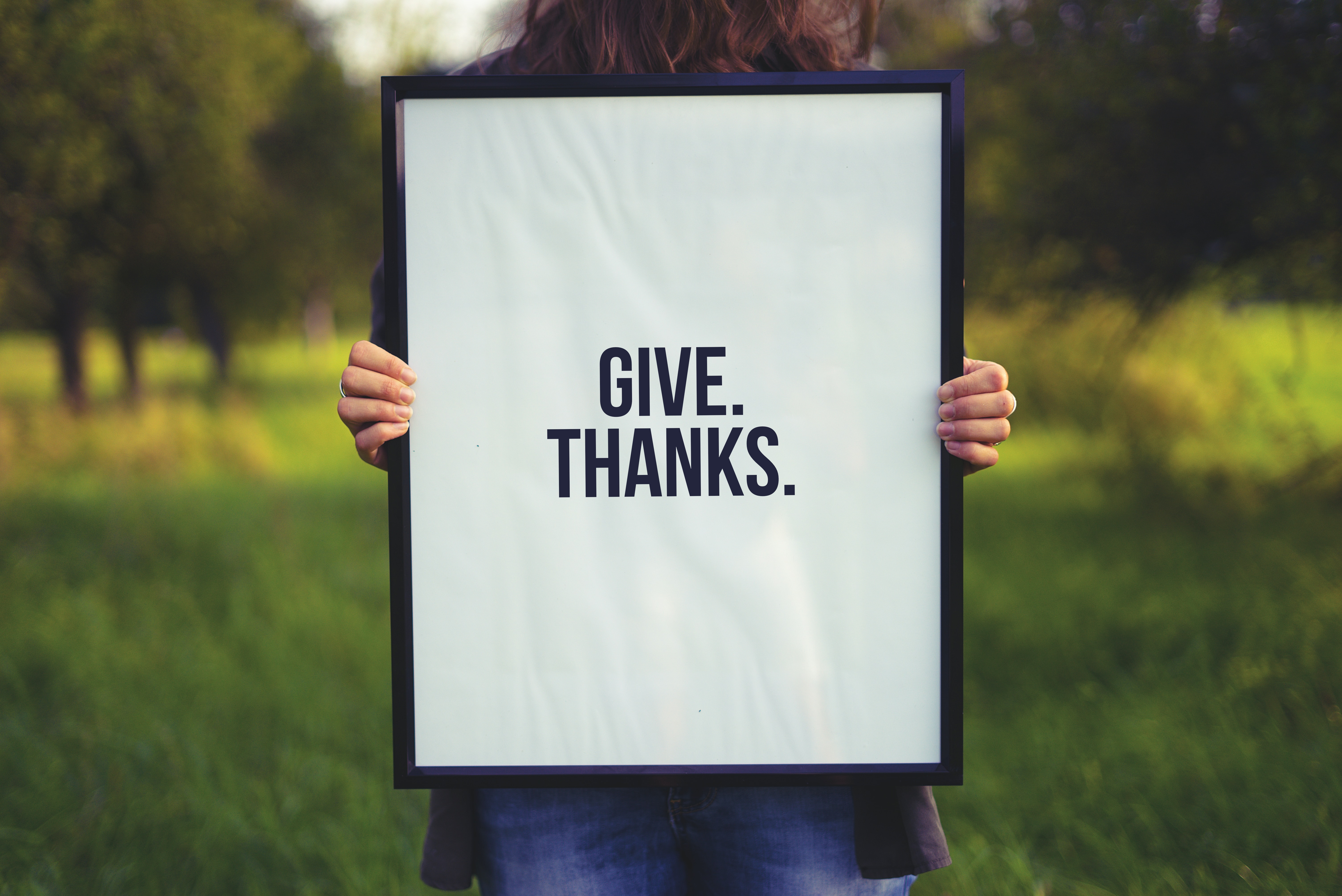
‘So, I am pursuing you now with my goodness and kindness. Hunting you down, running after you, ensuring you have all you need for each day. Look, see and give thanks and you will see more and more.
Don’t focus on areas that seem to be depleting. Fix your gaze on My face and expect to be satisfied in and by Me each day. I will always supply what you need as you seek to walk in My purposes.’
‘Look, see and give thanks and you will see more.’ I reread those words, underlining them, then flicked back a couple more pages, hunting for more red writing. A few entries earlier, I found, ‘My gifts are there for you every day. THANKSGIVING opens your eyes to see them.’

‘Give thanks and you will see more.’‘Thanksgiving opens your eyes to see My gifts.’ Mark Buchanan’s words from his book, ‘The Rest of God: Restoring Your Soul by Restoring Sabbath’, echoed through my mind:
‘Ingratitude is an eye disease every bit as much as a heart disease.’ (emphasis mine)
Did I have an eye disease, I wondered—a distorted view that magnified the negatives and was blind to God’s gifts in each day? If I did, something needed to change.
The following week, unprompted, a mentor gave me this counsel: ‘Thanksgiving is vital to keeping your heart in a place of rest and sensitivity to God in this busy season. As you choose to give thanks, He’ll show you how to live by His grace.’
There it was again—thanksgiving. I’d already started scribing a few short lines of gratitude each day. But God was calling me to more, urging me to stop and really see. So, when our church began a 30-day fast, I chose to skip breakfast and spend longer in prayer. This gave me more time to reflect and thank God for His blessings. And as I did, I noticed the weight I’d been carrying begin to lift.
Then came the morning I woke at 3am. For an hour, I lay still and quiet in the silence, wondering if I’d drift back to sleep. Finally, I saw my opportunity, climbed out of bed and shuffled to the lounge with my books.
‘Thursday 11th August, 2022
3:55am.
Lord, I am yours. Thank you for your faithful love and readiness to teach me your ways. Keep working in my heart and mind and body, leading me through in your grace, truth and rest.’ Joy bubbled inside me, despite the early hour. God was doing so many wonderful things. Now I had extra time to record them. I moved my pen to a new line.
‘I’m thankful for . . .’
I began listing all the ways our family had been blessed in recent days, pausing between each point until another memory came to mind: a sunny rental home for an adult child; protection from injury in a car accident for another; some promising job interviews for our uni graduate; the warmth and generosity of our local mechanic when a car broke down; my husband’s loving support and listening ear when I was feeling low, and more.
Once I’d covered that angle, my thanks continued to flow: my lovely, capable osteopath; some new opportunities for book sales; the daily challenges and opportunities of my work role; the wise words and loving prayers of my mentor, and my lifeline—the Bible.
The longer my list grew, the more I recognised God’s faithful care. By the time I finished, an hour had passed and I’d filled a whole page of my journal with reasons for gratitude. And my heart felt lighter—even a little bit hopeful. God was moving—protecting and providing, moulding us and directing our circumstances ready for the changes ahead.
Time didn’t always allow me to write such long lists. It was a few days before I wrote my next, shorter one. Several more slipped by before I wrote another. Over time, I developed a habit of writing a list most days. Sometimes I gave thanks for ‘basics’ like warmth, shelter, a comfortable bed, clean water and a kitchen full of food—luxuries we enjoy while so many people in the world don’t. On other days I wrote in awestruck detail of the way the practicalities of our move—large and small—were coming together. Worry and weariness began to fade, driven out by the light of hope, and I noticed a new spring in my step. God loved us. He was good. Just as He was faithful now, so we could expect Him to continue to lead us through.
A year has passed since that pivotal time and I’m still writing lists—sometimes in my journal and often aloud as I tell others of God’s generosity and kindness. On my birthday in June, my husband described me as a woman who, ‘notices and celebrates every little thing’. He couldn’t have given me a greater compliment! On this path of thankfulness, I’m learning to see the good in every situation. And to understand that David’s words in Psalm 23:6 are more than just lovely poetry. They are a living reality. Every day, God passionately pursues each of us, ready to show us His goodness.
The question is, are we stopping long enough to notice?
‘Surely your goodness and love will follow me all the days of my life . . . ‘
Psalm 23:6
‘Those who hope in the LORD will renew their strength. They will soar on wings like eagles; they will run and not grow weary, they will walk and not faint.’
Isaiah 40:31

 The Resting Post